





What Is Fiberglass Muffler Packing Material?
 Oct 23, 2026|
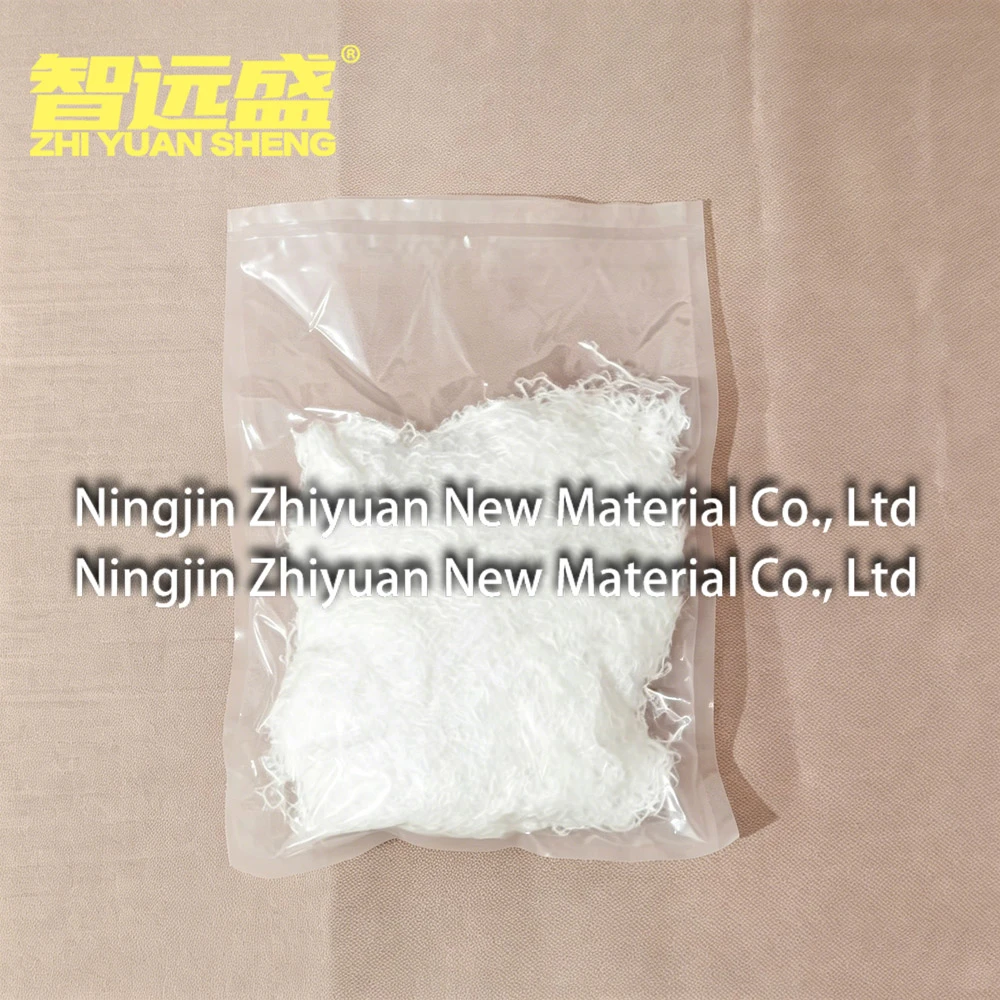
Fiberglass Muffler Packing Material is a functional sound-absorbing material specifically designed for use inside mufflers and other noise control equipment. It is primarily manufactured from glass fibers through specialized processing methods. The material typically features a fluffy, porous fiber structure that absorbs and dissipates some of the sound energy generated during equipment operation. As a result, it is widely used in various exhaust mufflers and industrial noise control systems. Unlike conventional decorative or thermal insulation materials, Fiberglass Muffler Packing Material is primarily intended to improve acoustic performance and reduce operating noise.
In terms of its working principle, engines and mechanical equipment generate noise at different frequencies during operation due to gas flow, mechanical vibrations, and exhaust processes. When these sound waves enter a muffler, they travel through its internal chambers and interact with the Fiberglass Muffler Packing Material. The numerous small spaces between the glass fibers allow sound waves to penetrate the material, causing air to move back and forth within the fiber structure. During this process, friction between the air and fibers, along with localized heat exchange, gradually converts some of the sound energy into heat, thereby absorbing sound and reducing noise.
One of the important characteristics of Fiberglass Muffler Packing Material is its heat resistance. Under suitable operating conditions, the material can withstand the heat generated by exhaust systems while maintaining its structure and sound-absorbing properties. However, the heat resistance of different fiberglass materials may vary. Therefore, the actual operating temperature and environmental conditions must be considered when selecting and using the material.
In addition, Fiberglass Muffler Packing Material offers flexibility and adaptability to different internal structures. It can be arranged appropriately within muffler chambers to achieve a relatively uniform distribution of sound-absorbing fibers. Proper packing helps improve the interaction between sound waves and the material while reducing the negative effects of uneven fiber distribution on acoustic performance.
In practical applications, Fiberglass Muffler Packing Material is commonly used in automotive exhaust mufflers, motorcycle exhaust systems, generator set mufflers, and industrial machinery noise reduction equipment. Different types of equipment produce different noise characteristics, so the arrangement of the packing material should be determined according to the internal muffler structure and actual operating environment.
It is important to understand that Fiberglass Muffler Packing Material does not reduce noise by completely blocking sound transmission. Instead, it absorbs part of the sound energy and reduces its propagation. Therefore, its actual performance is influenced by several factors, including muffler design, airflow paths, material distribution, and equipment operating conditions.
Overall, Fiberglass Muffler Packing Material is a practical sound-absorbing material that combines acoustic functionality with adaptability to various operating environments. When used with a properly designed muffler structure, it helps reduce operating noise, improve the surrounding acoustic environment, and provide an effective noise control solution for a wide range of mechanical equipment and exhaust systems.