




Can fiberglass wool insulation be used in a shed roof?
 Oct 21, 2025|
 Can fiberglass wool insulation be used in a shed roof?
As a supplier of fiberglass wool insulation, I often get asked whether our product can be used in shed roofs. The answer is a resounding yes! Fiberglass wool insulation offers numerous benefits when applied to shed roofs, and in this blog post, I'll explore these advantages in detail, discuss the installation process, and address some common concerns.
Benefits of Using Fiberglass Wool Insulation in a Shed Roof
Thermal Insulation
One of the primary reasons to use fiberglass wool insulation in a shed roof is its excellent thermal insulation properties. Fiberglass is made up of fine glass fibers that trap air pockets. These air pockets act as barriers to heat transfer, reducing the amount of heat that enters the shed during hot weather and escapes during cold weather. This means that your shed will maintain a more consistent temperature throughout the year, whether you use it as a workspace, a storage area, or a hobby room. For example, if you have a shed where you store temperature - sensitive items like paint or batteries, the insulation will help protect them from extreme temperature fluctuations.
Sound Insulation
In addition to thermal insulation, fiberglass wool insulation also provides good sound insulation. If your shed is located near a noisy area, such as a busy road or a neighbor's yard with a lot of activity, the insulation can help reduce the amount of external noise that enters the shed. This is particularly beneficial if you use the shed as a quiet workspace or a place to relax. The fibers in the fiberglass wool absorb sound waves, preventing them from bouncing around inside the shed and creating a more peaceful environment.

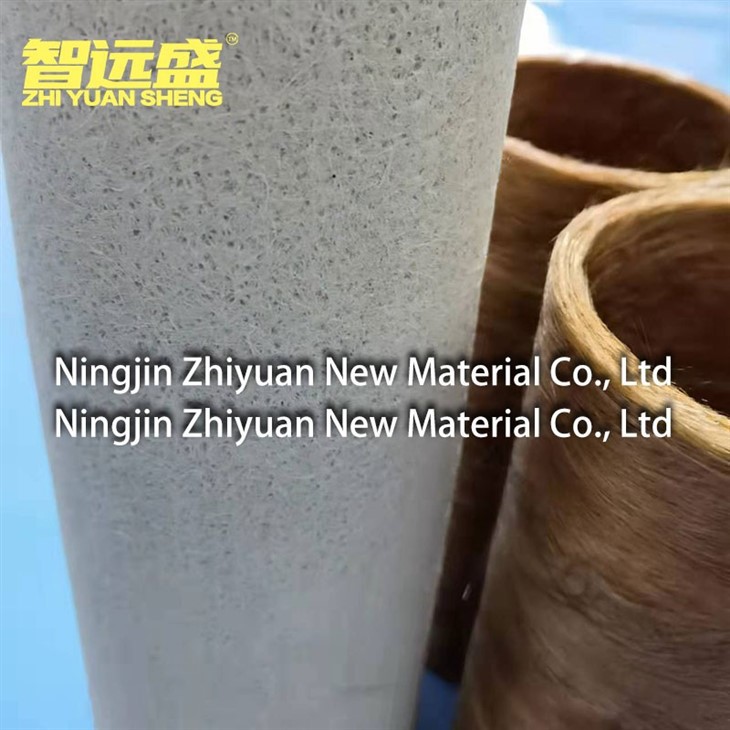
Fire Resistance
Fiberglass wool insulation is non - combustible, which means it can help prevent the spread of fire in case of an emergency. This is an important safety feature, especially if you store flammable materials in your shed or if the shed is close to your house. The insulation can act as a barrier, slowing down the progress of a fire and giving you more time to take appropriate action.
Cost - Effectiveness
Compared to some other types of insulation materials, fiberglass wool insulation is relatively inexpensive. It offers a high level of performance at a reasonable cost, making it a popular choice for shed owners on a budget. You can achieve significant energy savings over time by reducing your heating and cooling costs, which means that the initial investment in insulation will pay for itself in the long run.
Installation Process
Installing fiberglass wool insulation in a shed roof is a relatively straightforward process, but it does require some basic tools and safety precautions.
Preparation
Before you start the installation, you need to measure the area of the shed roof where you want to install the insulation. Make sure you have enough insulation material to cover the entire area. You'll also need to gather the necessary tools, such as a utility knife, a staple gun, and a ladder.
It's important to wear appropriate safety gear, including gloves, a dust mask, and safety glasses. Fiberglass fibers can be irritating to the skin, eyes, and respiratory system, so taking these precautions is crucial.
Installation Steps
- Lay the Insulation: Start by laying the fiberglass wool insulation between the roof rafters. Make sure the insulation fits snugly between the rafters, leaving no gaps. You may need to cut the insulation to size using a utility knife.
- Secure the Insulation: Once the insulation is in place, use a staple gun to secure it to the rafters. Place staples at regular intervals along the edges of the insulation to keep it from shifting.
- Seal the Edges: To prevent air leakage, seal the edges of the insulation with a suitable sealant or tape. This will help improve the overall effectiveness of the insulation.
Common Concerns and Solutions
Moisture and Mold
One common concern when using fiberglass wool insulation is the potential for moisture and mold growth. However, if the shed is properly ventilated, this should not be a problem. Make sure there are adequate ventilation openings in the shed roof to allow moisture to escape. You can also install a vapor barrier on the warm side of the insulation to prevent moisture from condensing on the insulation surface.
Fiberglass Fibers in the Air
Another concern is the release of fiberglass fibers into the air during installation or over time. As mentioned earlier, wearing proper safety gear during installation can minimize the risk of exposure. Additionally, modern fiberglass wool insulation products are designed to be less likely to release fibers. Some products come with a facing that helps contain the fibers and reduces the risk of them becoming airborne.
Other Applications of Fiberglass Wool Insulation
Fiberglass wool insulation has a wide range of applications beyond shed roofs. For example, it can be used in Removable Exhaust Pipe Insulation Material. This type of insulation helps to reduce heat loss from exhaust pipes, improving the efficiency of the exhaust system and protecting surrounding components from excessive heat.
It is also commonly used in High Performance Fiberglass Insulation Packaging Material For Exhaust Systems. The insulation provides excellent thermal protection for exhaust systems, ensuring that they operate at optimal temperatures.
Moreover, Fiberglass Pipe Insulation is another popular application. It helps to prevent heat loss from pipes, reducing energy consumption and preventing pipes from freezing in cold weather.
Contact for Purchase and Discussion
If you're considering using fiberglass wool insulation for your shed roof or any other application, I encourage you to reach out to us. Our team of experts can provide you with detailed information about our products, help you choose the right insulation for your needs, and offer guidance on the installation process. Whether you're a DIY enthusiast or a professional contractor, we're here to support you every step of the way. Contact us to start a conversation about your insulation requirements and let's work together to find the best solution for you.
References
- ASHRAE Handbook of Fundamentals. This handbook provides comprehensive information on insulation materials and their properties, including fiberglass wool insulation.
- Building Codes and Standards. Local building codes often include requirements for insulation in various applications, which can be a useful reference when considering using fiberglass wool insulation.
- Manufacturer's Product Literature. The product literature provided by fiberglass wool insulation manufacturers contains detailed information about the specific products, their performance, and installation instructions.