





Can Fiberglass Muffler Packing Material Be Used in Industrial Silencers?
 Oct 31, 2026|
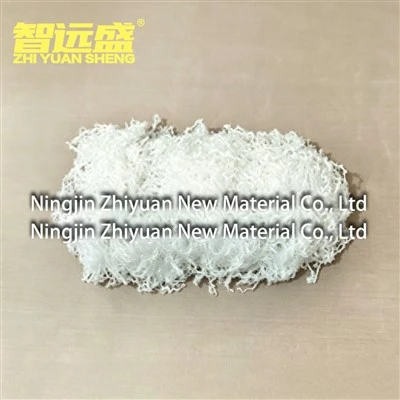
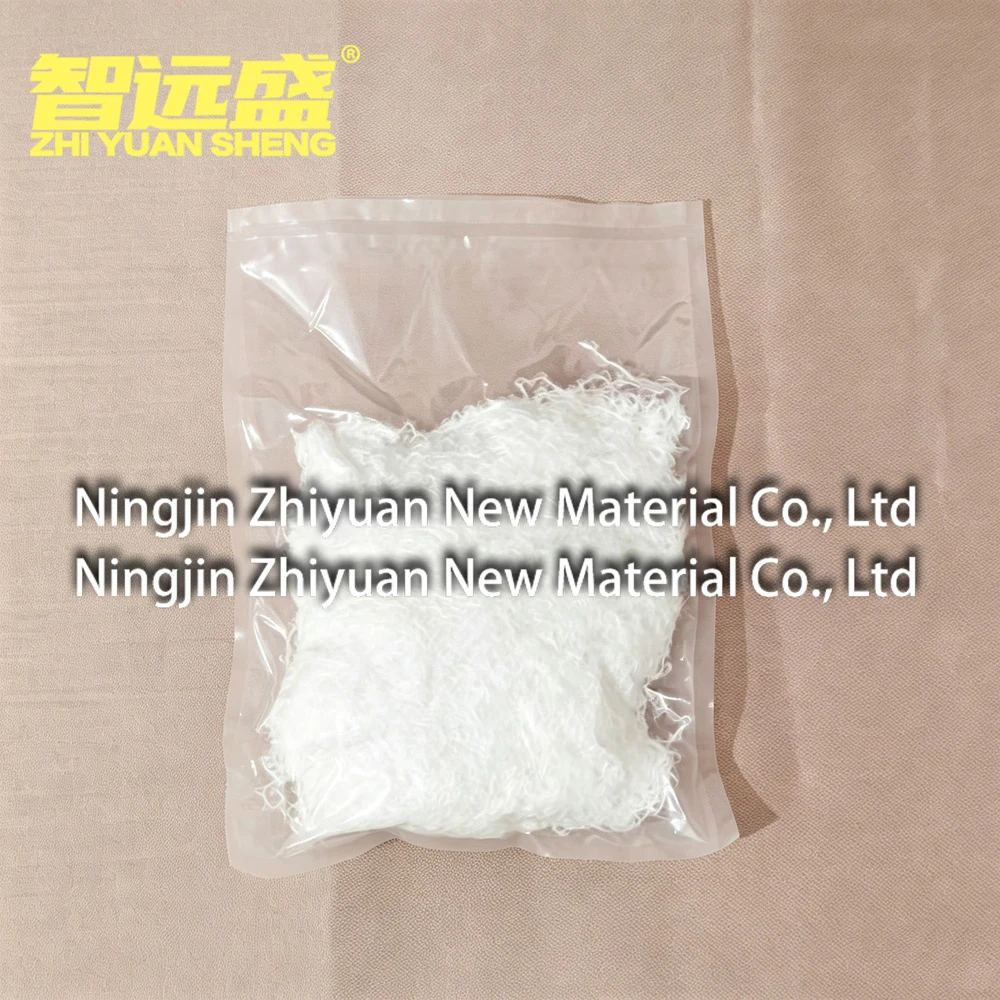
Fiberglass Muffler Packing Material can be used in various industrial noise-control applications and is a common sound-absorbing material in industrial noise management. During manufacturing and industrial production, equipment such as fans, air compressors, ventilation systems, engines, and gas transportation devices may generate significant noise. If this noise is not properly controlled, it can affect the working environment and disturb surrounding areas. Therefore, selecting suitable materials for industrial silencers is an important part of effective noise management.
The primary function of Fiberglass Muffler Packing Material is to absorb sound energy through its porous fibrous structure. When sound waves enter the material, the resulting air vibrations travel through the spaces between the fibers. Interactions between the air and the fiber surfaces gradually dissipate sound energy, reducing the intensity of sound transmission. This sound absorption mechanism is suitable for many applications involving airborne noise. However, the final performance also depends on factors such as silencer design, material thickness and distribution, noise frequency, and airflow conditions.
In industrial ventilation systems, Fiberglass Muffler Packing Material can be used in certain fan silencers and ventilation duct silencers to help reduce noise generated by airflow and equipment operation. In air compressor systems and other mechanical installations, it may also be considered when noise propagates through the air. For certain industrial exhaust systems, fiberglass packing material may be suitable if its heat resistance and resistance to the relevant operating medium meet the application requirements.
However, industrial environments are often more demanding than ordinary indoor environments. Therefore, several operating conditions must be carefully evaluated when selecting the material.
First, the operating temperature and temperature fluctuations should be considered. The fiberglass material, together with its supporting and retaining structures, must be suitable for the thermal conditions of the equipment. Second, airflow velocity and pressure fluctuations should be evaluated. Excessive airflow or significant pressure changes may cause the packing material to loosen, wear, or release fibers. Appropriate protective and retaining structures should therefore be incorporated into the design.
The characteristics of the industrial medium also require attention. If the gas contains corrosive substances, oil mist, dust, or other contaminants, these factors may affect the stability and performance of the packing material. In clean production environments, the potential release of fibers should also be considered. Where necessary, suitable facing materials or protective structures can help prevent fibers from entering the process airflow.
Furthermore, industrial noise-control performance depends on more than the packing material itself. The inlet and outlet design, airflow passages, and internal acoustic structure must also be properly engineered. Even a high-quality fiberglass material may not deliver the expected noise reduction if the overall silencer design is unsuitable. Therefore, the material should be selected and installed as part of an integrated equipment design.
In conclusion, Fiberglass Muffler Packing Material is suitable for many industrial noise-control applications, but it cannot be used indiscriminately in every industrial system. A comprehensive assessment of operating temperature, airflow, medium characteristics, and noise conditions is necessary to ensure that the material matches the actual application requirements.