Fiberglass Muffler Packing Material
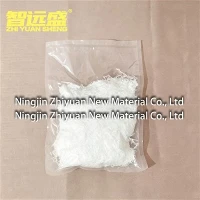
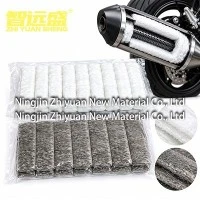
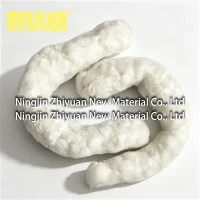
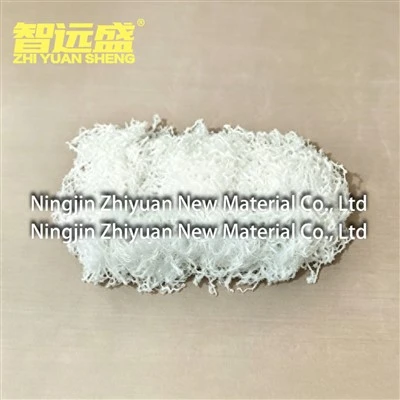
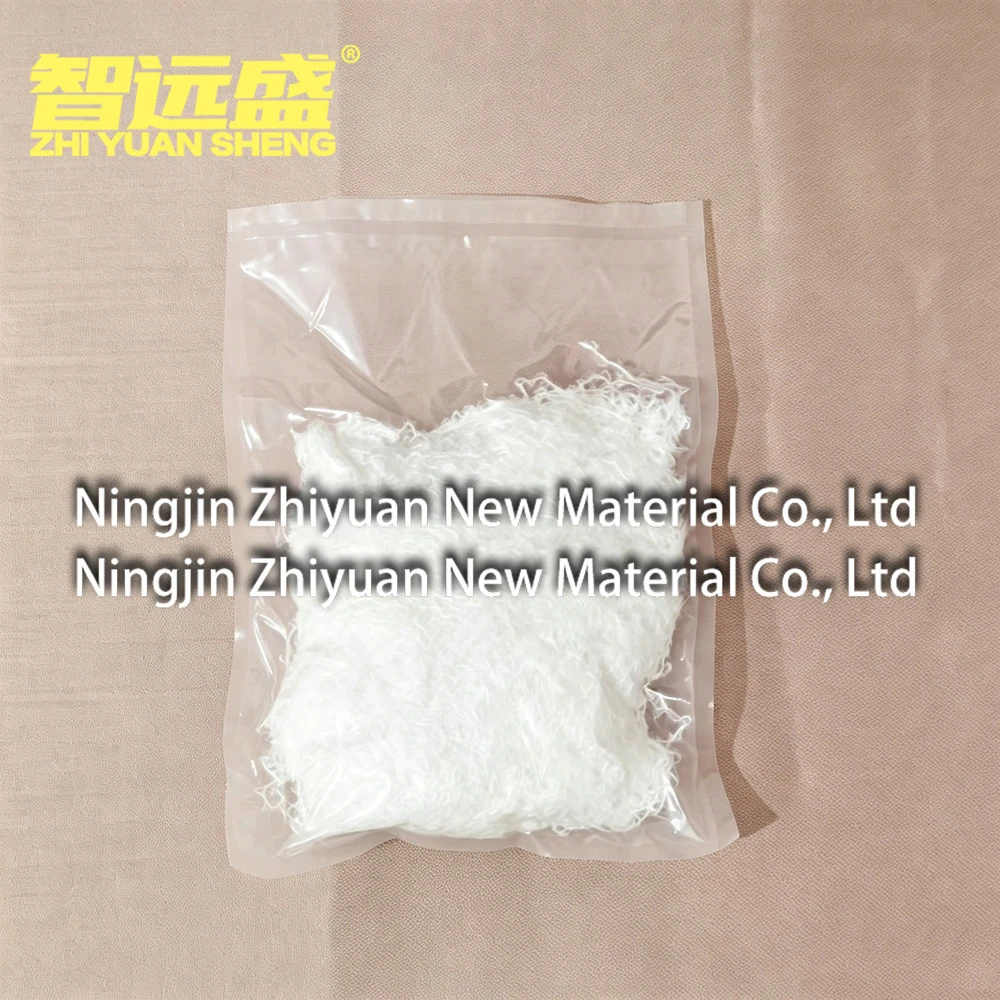
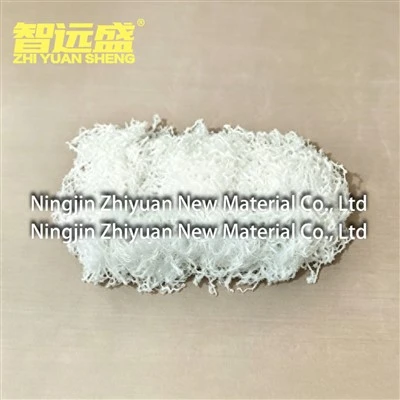
Fiberglass Muffler Packing Material is a functional material made primarily from glass fibers and designed for use inside mufflers and related acoustic equipment. It helps reduce noise transmission by absorbing and dissipating sound energy through its fibrous structure.This material offers good sound absorption, heat resistance, and structural adaptability, making it suitable for various muffler designs and noise control applications. Its lightweight and porous structure provides a large surface area for interaction with sound waves, helping dissipate acoustic energy as sound travels through the material.

- Product Introduction
Products Description
Fiberglass Muffler Packing Material is a functional material made primarily from glass fibers and designed for use inside mufflers and related acoustic equipment. It helps reduce noise transmission by absorbing and dissipating sound energy through its fibrous structure.This material offers good sound absorption, heat resistance, and structural adaptability, making it suitable for various muffler designs and noise control applications. Its lightweight and porous structure provides a large surface area for interaction with sound waves, helping dissipate acoustic energy as sound travels through the material.
Product Advantages
Effective Sound Absorption
The internal fibrous structure helps dissipate sound energy, reducing noise transmission and contributing to a more comfortable working environment.
Heat Resistance
Glass fibers offer good heat resistance, making the material suitable for muffler applications exposed to certain temperature variations.
Lightweight Construction
The material is lightweight, helping reduce the weight of internal muffler components and supporting equipment designs that prioritize weight reduction.
Flexible Installation
The fibrous structure adapts well to different internal spaces, making it easier to fill mufflers with various structural configurations.
Stable Performance
When properly selected and installed, the material provides consistent sound absorption support and helps meet the long-term operating requirements of muffler systems.
Working Principle
Sound Wave Entry
Sound waves enter the muffler and come into contact with the internal fiberglass packing material, initiating the sound absorption process.
01
Friction Between Fibers
Sound waves cause air to vibrate within the material. Friction between the moving air and the fibers converts part of the acoustic energy into heat, helping dissipate sound energy.
02
Energy Dissipation
As sound waves travel through the fibrous network, their energy gradually decreases, helping reduce the intensity of noise transmission.
03
Combined Noise Reduction
The packing material works together with the internal structure of the muffler to improve overall noise reduction performance.
04
Product Image
Precautions
When handling or installing fiberglass material, wear appropriate protective gloves, safety goggles, and a protective mask to reduce skin contact and the risk of inhaling airborne fibers or dust.
Keep the material as dry as possible during storage and use, as moisture may affect its condition and performance.
Follow the equipment design requirements when filling the muffler. Avoid excessive compression, which may alter the porous structure and affect sound absorption performance.
Select the material according to its actual heat resistance and the operating environment. Avoid prolonged exposure to temperatures beyond its suitable operating range.
FAQ
Q: What Is the Main Purpose of Fiberglass Muffler Packing Material?
A: Fiberglass Muffler Packing Material is primarily used inside mufflers to absorb and dissipate part of the acoustic energy through its fibrous structure, helping reduce noise transmission. Actual noise reduction performance also depends on the muffler design, airflow conditions, and overall system configuration.
Q: What Types of Equipment Can Use Fiberglass Muffler Packing Material?
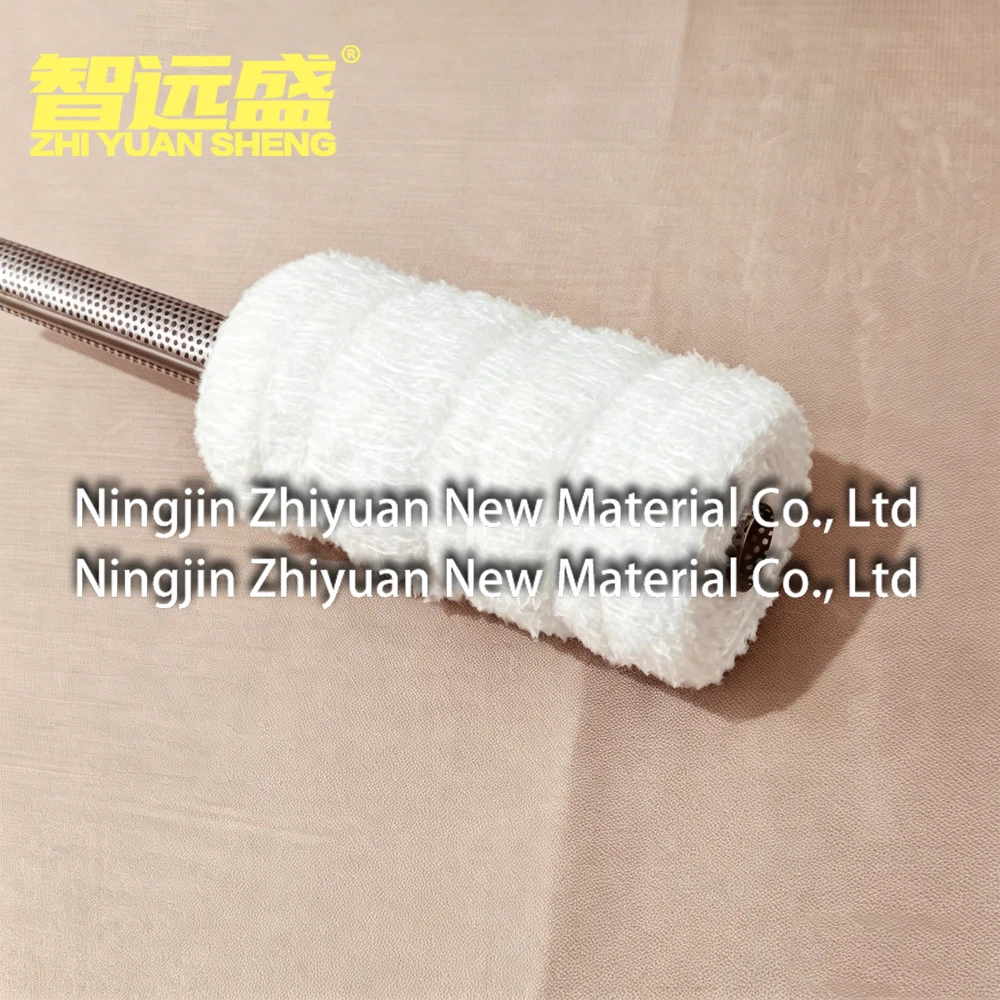
A: The material can be used in compatible automotive exhaust mufflers, industrial equipment silencers, ventilation silencing systems, and other acoustic devices. Selection should take into account the equipment structure, operating temperature, and actual working conditions.
Q: Does Fiberglass Muffler Packing Material Need Regular Replacement?
A: Replacement requirements depend on the material's condition, operating environment, and equipment maintenance requirements. If the material shows noticeable damage, displacement, contamination, or reduced performance, it should be inspected and replaced as necessary.
Why Choose Our
Commitment to Product Quality
We focus on raw material selection and production process management, paying attention to fiber condition, material uniformity, and practical performance to provide customers with reliable product options.
Application-Oriented Solutions
We consider the specific requirements of muffler packing applications, including sound absorption, heat resistance, and installation compatibility, to help customers select suitable materials.
Quality Control Management
We emphasize quality control throughout production and product inspection, working to maintain consistent product quality and meet the needs of different applications.
Application Image


Hot Tags: fiberglass muffler packing material, China fiberglass muffler packing material manufacturers, suppliers, factory